Malaysia’s Renewable Energy Transition Plans and Timeline
Malaysia targets 31% renewable energy by 2025. We break down solar expansion initiatives, hydroelectric projects, and the infrastructure investments needed to transition from fossil fuel dependency.

Why Malaysia Needs This Shift Now
Malaysia’s energy landscape is at a critical turning point. For decades, the country’s relied heavily on fossil fuels — oil, natural gas, and coal power the economy. But that dependency comes with real costs. Rising global oil prices affect everything from transportation to electricity bills. Climate commitments push the nation toward cleaner sources. And there’s genuine opportunity in renewable energy that most people don’t fully understand yet.
The government’s been clear about its direction. The Renewable Energy Roadmap sets specific targets. We’re talking about concrete timelines, not vague promises. Solar farms are being built across the peninsula. Hydroelectric capacity’s expanding. Wind projects are moving forward. Understanding what’s happening — and why — matters if you work in energy, invest in utilities, or just care about Malaysia’s economic future.
The 31% Target Explained
Malaysia committed to generating 31% of electricity from renewable sources by 2025. That’s not some distant goal — it’s happening right now. Think about what that means in practical terms. If you’re running a factory that uses 1,000 units of electricity daily, roughly 310 of those units come from wind, solar, or hydro instead of burning coal.
The target breaks down into specific segments. Large hydroelectric dams contribute the biggest share. Solar installations — both utility-scale and rooftop — are the fastest-growing component. Biomass and biogas round out the mix. What’s interesting is how regional these plans are. Sabah and Sarawak have massive hydroelectric potential. Peninsular Malaysia focuses on distributed solar and offshore wind development. Each state has its own renewable roadmap.
Getting to 31% requires real infrastructure changes. It’s not just about building panels and turbines. You need smart grids that can handle variable power supply. Battery storage systems to manage peak and off-peak times. Transmission lines upgraded to move power from generation sites to demand centers. That’s billions in investment, coordinated across government, utilities, and private companies.

Solar: The Fastest-Growing Component
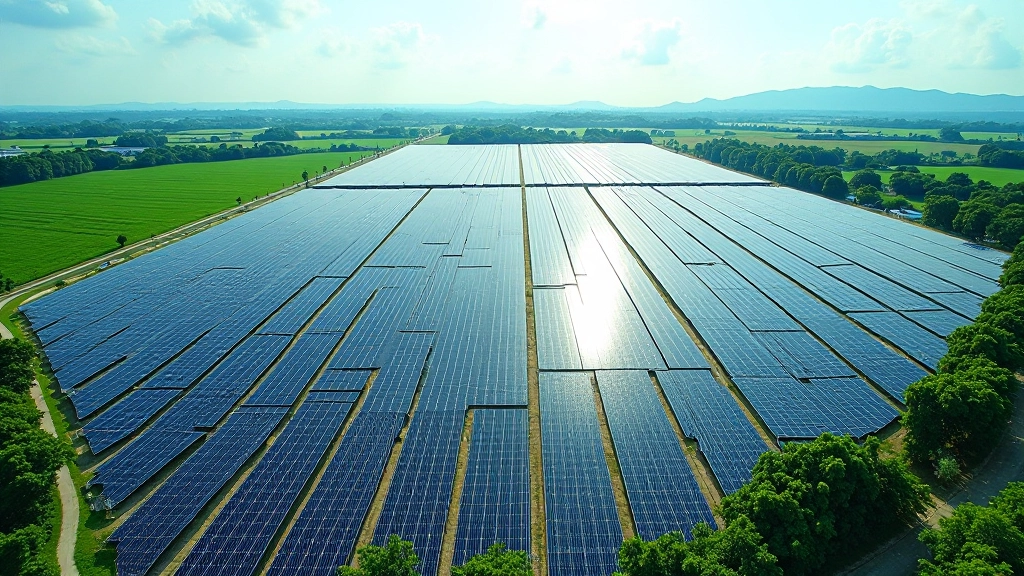
Solar energy’s where the momentum really shows. Malaysia sits on the equator with consistent sunshine year-round — that’s a natural advantage. The government’s installed about 5.6 GW of solar capacity as of 2024. But the plan calls for tripling that by 2030. You’re talking about covering thousands of hectares with photovoltaic panels, plus rooftop installations on buildings across the country.
What makes solar attractive isn’t just environmental. The economics work now. Manufacturing costs have dropped dramatically. A solar installation that cost RM8 per watt five years ago now costs around RM3-4. That’s made commercial and industrial solar projects financially viable without subsidies. Companies are installing panels to reduce electricity costs. It’s not altruism — it’s business sense.
The challenge? Malaysia’s monsoon climate brings unpredictable cloud cover during certain seasons. That’s where energy storage becomes critical. Battery systems can store excess daytime power and release it when clouds block the sun. The government’s working on developing battery manufacturing capacity locally. That’s not just environmental policy — it’s economic development. Creating jobs in a growing industry while reducing dependency on coal imports.
Hydroelectric Power: The Backbone
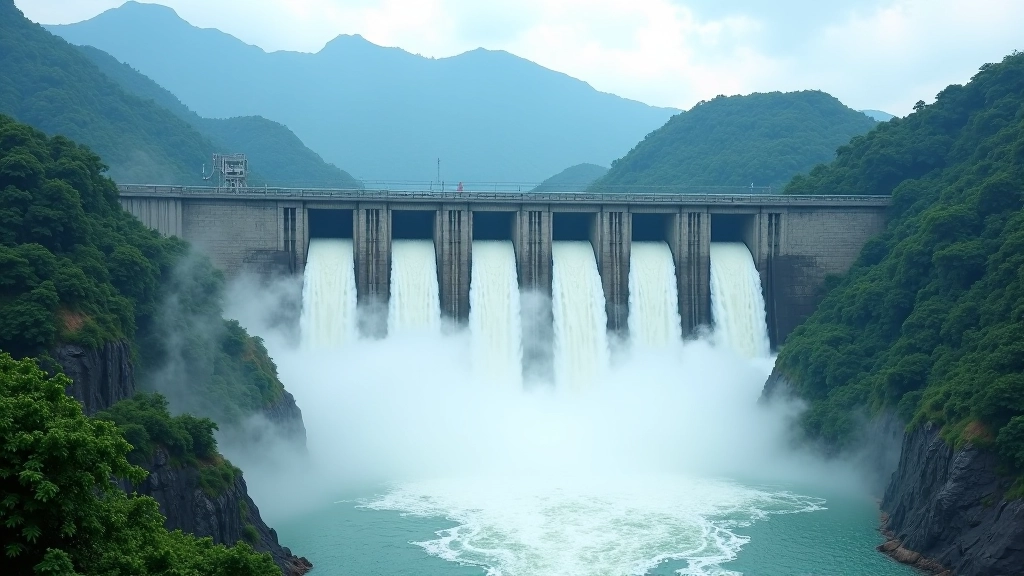
Hydroelectric facilities already supply about 13% of Malaysia’s electricity. Major dams like Bakun and Kenyir generate enormous capacity. The advantage? Once built, hydro plants run for 50+ years with minimal fuel costs. They provide baseload power — reliable 24/7 generation that solar and wind can’t match alone. That reliability matters for industrial operations that can’t tolerate power interruptions.
Expansion plans focus on Sarawak’s river systems. The Sarawak Energy Company’s developing multiple run-of-river projects. These smaller installations cause less environmental disruption than traditional dams while still generating substantial power. It’s not without trade-offs — indigenous communities, ecosystem impacts, and resettlement concerns all come into play. But from a pure energy perspective, the capacity’s there waiting to be developed.
The really interesting part? Hydroelectric facilities can adjust output quickly. If solar panels suddenly stop producing during a cloud burst, hydro plants can increase generation within minutes. That flexibility is valuable in a grid mixing multiple renewable sources. It’s why most countries aiming for high renewable penetration have significant hydro capacity. Malaysia’s fortunate to have that geographic advantage.
The Transition Timeline
Understanding when things happen matters. Here’s how Malaysia’s phasing this transition:
Acceleration Phase
Solar installations ramping up across Peninsular Malaysia. Major hydro projects in Sarawak under construction. Grid infrastructure upgrades beginning. Battery storage pilot projects launching.
Expansion Window
Target of 31% renewable energy reached. Rooftop solar becoming mainstream on commercial buildings. First major battery storage facilities operational. Offshore wind projects moving toward deployment.
Consolidation Phase
Renewable capacity doubled from 2024 levels. Wind energy becoming significant contributor. Grid fully adapted to variable renewable supply. Coal plant retirements accelerating.
The Investment Reality
Making this transition happen costs real money. Malaysia needs substantial capital investment in renewable infrastructure. We’re talking about billions in spending across solar installations, hydro facilities, grid upgrades, and storage systems. That funding comes from multiple sources — government budgets, utility companies, private investors, and international climate finance.
What’s driving investment? Part of it’s policy certainty. When governments set clear targets with deadlines, private companies can plan accordingly. Feed-in tariff schemes guarantee prices for renewable electricity, making projects bankable. Tax incentives and accelerated depreciation schedules improve project economics. It’s not idealism — it’s creating the right financial conditions for clean energy to make sense.
The interesting angle most people miss: Malaysia’s renewable transition creates manufacturing opportunities. Solar panel production, inverter manufacturing, battery assembly — these aren’t just imported technologies. There’s potential to build local supply chains. That means jobs beyond just installation crews. Engineers, technicians, logistics specialists. Economic benefits spreading beyond energy companies themselves.

Real Challenges Ahead
Grid Integration
Malaysia’s electricity grid was built for centralized coal and gas plants. Solar and wind are variable and distributed. That requires smarter systems, real-time monitoring, and automated controls. The infrastructure exists in other countries, but deploying it at Malaysia’s scale takes time and expertise.
Energy Storage
Batteries are expensive. They’re getting cheaper, but current technology still limits how long you can store renewable energy economically. Without breakthrough improvements or lower prices, running 80%+ renewable grids becomes difficult. Malaysia’s betting on battery costs dropping 50% by 2030 — that’s achievable but not guaranteed.
Land Use Conflicts
Solar farms need space. Hydroelectric projects affect river ecosystems and communities. Wind farms require specific geographic locations. Finding land that doesn’t conflict with agriculture, conservation, or population centers is genuinely difficult. Every megawatt of capacity means difficult conversations with affected groups.
Supply Chain Risk
Most solar panels come from Asia — particularly China and Vietnam. Tariffs, geopolitical tensions, or manufacturing disruptions can slow deployment. Battery materials depend on global supply chains. Building domestic capacity takes time. Dependence on imports creates vulnerability during critical transition periods.
What This Means
Malaysia’s transition is happening now, not someday. The 31% renewable target for 2025 isn’t aspirational — projects are under construction, capacity’s being installed. This isn’t theoretical energy policy. It’s reshaping how electricity gets generated and distributed across the country.
Solar’s the growth story. Costs have dropped enough that commercial solar makes financial sense without subsidies. You’ll see panels everywhere over the next few years — factories, warehouses, office buildings. That’s driven by economics, not just environmental concerns.
Hydroelectric power provides the stability. While solar and wind grab headlines, hydro facilities do the heavy lifting. Sarawak’s river systems offer enormous untapped capacity. That matters because baseload power is non-negotiable for industrial economies.
The grid needs upgrading. Everything from transmission lines to software systems requires modernization. That’s not flashy but it’s essential. You can’t just plug renewables into a grid built for coal plants.
This creates opportunities. Not just environmental ones — economic opportunities in manufacturing, installation, operations, and maintenance. The renewable energy industry is becoming a major employment sector. That matters for young people entering the job market.
Important Disclaimer
This article provides educational information about Malaysia’s renewable energy transition plans and timelines. It’s based on publicly available government documents, energy sector reports, and industry data as of March 2026. However, renewable energy policy evolves frequently. Targets, timelines, and specific projects change based on technological advances, political decisions, and economic conditions. For current official information, consult the Malaysian Ministry of Energy Transition, Tenaga Nasional Berhad (TNB), or relevant state energy authorities. If you’re making investment or business decisions related to renewable energy, seek advice from qualified energy sector professionals, financial advisors, and legal experts familiar with Malaysian energy regulations. This article doesn’t constitute investment advice, policy guidance, or technical recommendations.
Related Articles