
Global Oil and Gas Pricing Effects on Malaysia’s Economy
Understanding how international crude oil prices reshape Malaysia’s fiscal policy, currency stability, and consumer costs

Why Global Oil Prices Matter to Malaysia
Malaysia’s economy is deeply connected to global energy markets. When crude oil prices surge on international exchanges, it ripples through everything—government revenue, currency strength, and what you pay at the pump. We’re not just talking about a percentage point or two. The difference between $80 and $120 per barrel fundamentally changes how the government budgets for healthcare, education, and infrastructure.
As one of Asia’s significant oil and gas producers, Malaysia relies on energy exports to fund national development. But here’s what makes it complicated: we’re also an energy importer for certain products, and we subsidize domestic fuel prices to protect consumers. That creates a fiscal squeeze. When global prices spike, the gap between what we pay for crude and what Malaysians pay at the pump widens dramatically, draining government coffers.

How Price Changes Actually Work
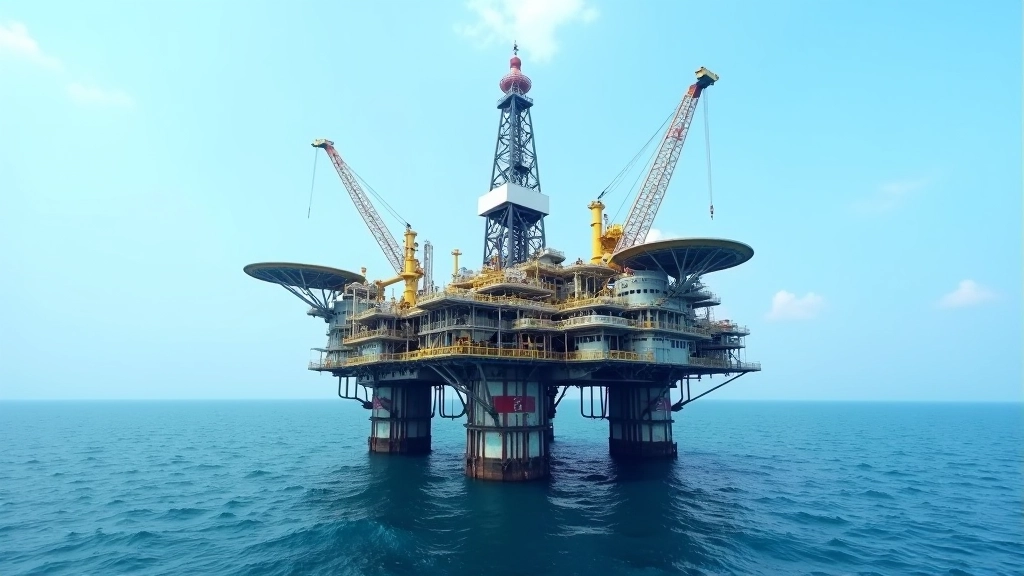
Crude oil trades on global markets—Brent Crude and WTI (West Texas Intermediate) are the benchmarks. Malaysia’s oil is priced relative to Brent, which trades in US dollars. When global demand spikes or supply tightens, prices move quickly. A $10 jump per barrel doesn’t sound massive until you multiply it across millions of barrels exported annually.
The currency effect adds another layer. Malaysia exports oil for US dollars but pays for imports and domestic costs in ringgit. When oil prices drop, the ringgit weakens against the dollar because there’s less foreign exchange flowing in. That makes imports more expensive—everything from manufacturing inputs to consumer goods costs more in ringgit terms. Your grocery bill goes up even if oil prices are falling.
The Math: A $1 change in oil price per barrel affects Malaysia’s government revenue by roughly 300-400 million ringgit annually. Over a full year, that’s substantial.
Government Revenue and Budget Pressure
Petronas, Malaysia’s national oil company, generates revenue that directly funds government operations. When crude prices are strong—say, above $100 per barrel—Petronas transfers substantial dividends to the federal budget. This money pays for roads, hospitals, schools, and public sector salaries. When prices drop to $60-70, those transfers shrink dramatically, and suddenly the government faces a budget shortfall.
This creates a spending problem. Governments can’t easily cut back on salaries or school funding when prices fall. They’re committed to public employees and ongoing projects. So they either borrow more or reduce spending in other areas. Malaysia’s government debt has been rising partly because of these revenue volatility shocks. The 2014-2016 oil price crash—when Brent fell below $40—created serious fiscal challenges that took years to recover from.
30%
Typical share of government revenue from oil and gas in strong price years
60%
Potential revenue drop during price downturns


The Subsidy Squeeze: Protecting Consumers, Draining Budgets
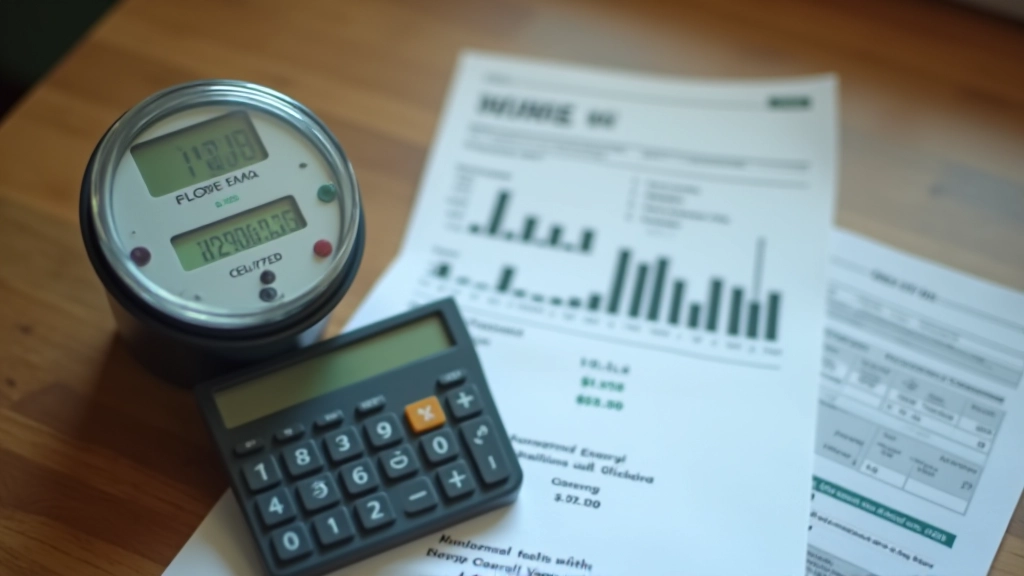
Here’s where things get really tight. Malaysia subsidizes fuel and electricity prices to shield consumers from global price volatility. When crude oil costs $120 per barrel internationally, you don’t pay the full price at Malaysian pumps. The government absorbs the difference. That’s a political choice—keep energy affordable for ordinary Malaysians—but it’s fiscally expensive.
During the 2021-2022 energy price spike, Malaysia’s fuel and electricity subsidies ballooned to billions of ringgit annually. The government was literally paying the gap between global prices and domestic prices. In 2022, these subsidies exceeded 40 billion ringgit—money that could’ve gone to other priorities. It’s a hidden cost that doesn’t appear on your electricity bill but definitely appears in the government’s budget deficit.
The dilemma is real. If the government removes subsidies entirely, fuel and electricity prices would jump 30-50% overnight. That’d hurt lower-income households most and create political backlash. But maintaining full subsidies during price spikes creates unsustainable fiscal strain. Malaysia’s been trying to find middle ground with targeted subsidies—helping the poorest households while letting wealthier consumers pay closer to market rates.
The Shift to Renewable Energy and Long-Term Implications
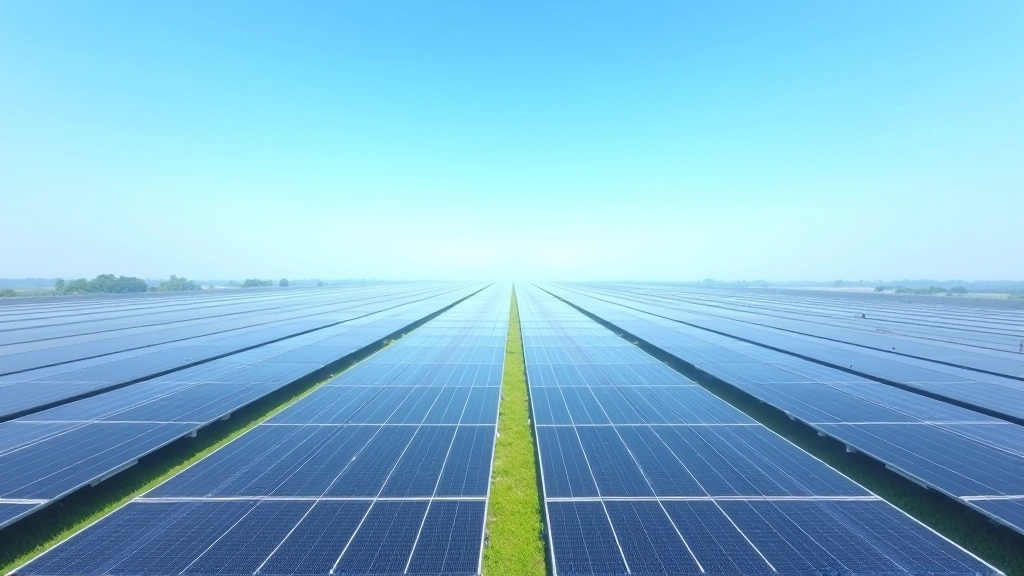
Malaysia recognizes that relying on oil and gas revenues creates vulnerability to global price shocks. That’s why the government’s pushing renewable energy expansion. The target is 31% renewable energy by 2025—up from around 20% currently. Solar farms, wind projects, and hydroelectric expansion would diversify the energy mix and reduce dependence on fossil fuels.
Why This Matters Economically
Renewable energy isn’t affected by global crude oil prices. Solar panels generate electricity at a stable cost once installed. This removes Malaysia from the global oil price volatility game. Government budgets become more predictable. Consumers face less price volatility at the pump and for electricity. Over time, this should reduce the need for subsidies as renewables provide cheap, stable power.
But there’s a transition challenge. Oil and gas workers need retraining. Oil revenues won’t disappear overnight—Malaysia will produce hydrocarbons for decades. The economic shift has to happen gradually, or you create unemployment and regional distress in oil-producing areas like Terengganu and Sarawak.
What This Means for Your Wallet
When global oil prices spike, the effects hit consumers directly but indirectly. Fuel prices at the pump might stay relatively stable if subsidies are active, but everything transported by truck or ship gets more expensive. Food costs rise. Manufacturing costs increase. That ripples through to retail prices for clothes, electronics, and services. It’s not just about filling up your car—it’s about living costs broadly.
The ringgit weakness compounds this. If the currency weakens due to lower oil revenues, imported goods become pricier in ringgit. A $100 item that was 400 ringgit last year might be 450 ringgit this year because the exchange rate shifted. For Malaysians, especially those on fixed incomes, these hidden inflation pressures are real even if headline inflation numbers seem modest.
Food and groceries:
Transportation costs rise, passing through to retail prices
Electricity bills:
Power generation costs increase if more natural gas is used
Import-heavy goods:
Electronics, appliances, vehicles cost more in ringgit terms
Interest rates:
Central bank may raise rates to combat inflation, making borrowing expensive

The Bigger Picture: Volatility and Resilience
Global oil and gas pricing isn’t just an energy sector issue—it’s a macroeconomic force that shapes Malaysia’s government budgets, currency stability, and consumer prices. When international crude trades at $80 versus $120, it’s not an abstract number. It determines how much the government can spend on development, how much subsidies cost, and ultimately what inflation looks like for ordinary Malaysians.
The country’s transition toward renewable energy is partly about climate goals, but it’s equally about economic resilience. Diversifying away from oil and gas revenues reduces vulnerability to price shocks that historically catch policymakers off-guard. It won’t happen overnight—Malaysia will remain a hydrocarbon producer for decades—but the direction is clear. Renewable energy offers budget predictability that crude oil never will.
Understanding these connections helps explain why Malaysian economic news often focuses on global energy prices. It’s not because energy companies are all-powerful. It’s because global oil markets literally shape government budgets and consumer wallets across the country.
Explore Related Topics
Want to understand Malaysia’s energy sector more deeply? Check out our related articles on Petronas revenue, renewable energy plans, and energy subsidies.
Disclaimer
This article provides educational information about global oil and gas pricing effects on Malaysia’s economy. It’s designed to explain macroeconomic relationships and fiscal impacts, not to offer investment advice or predictions about future commodity prices. Economic circumstances vary widely by region, sector, and individual situation. Oil price movements depend on complex global factors—geopolitics, supply and demand, currency fluctuations, and more—that can’t be predicted with certainty. For specific financial or investment decisions, consult qualified professionals. Government subsidies, tax policies, and energy plans evolve regularly and may differ from information presented here. This content reflects understanding as of March 2026 and may not account for subsequent policy changes or market developments.
Related Articles