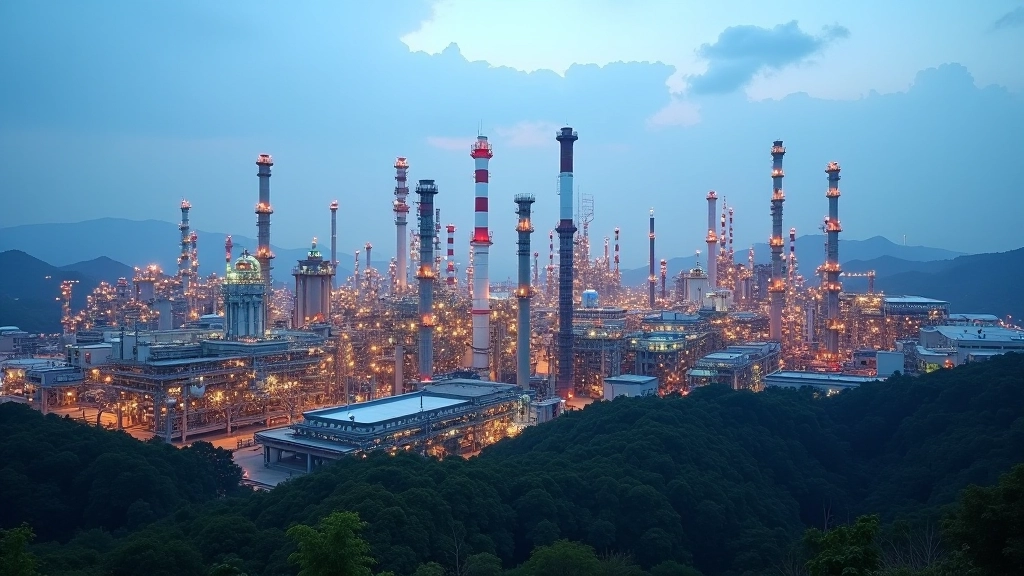
Energy Subsidies and Fiscal Burden on Government Budget
Malaysia spends billions annually on energy subsidies to keep consumer prices low. We examine the real costs, fiscal sustainability challenges, and reform proposals reshaping household and business economics.
What Energy Subsidies Actually Cost
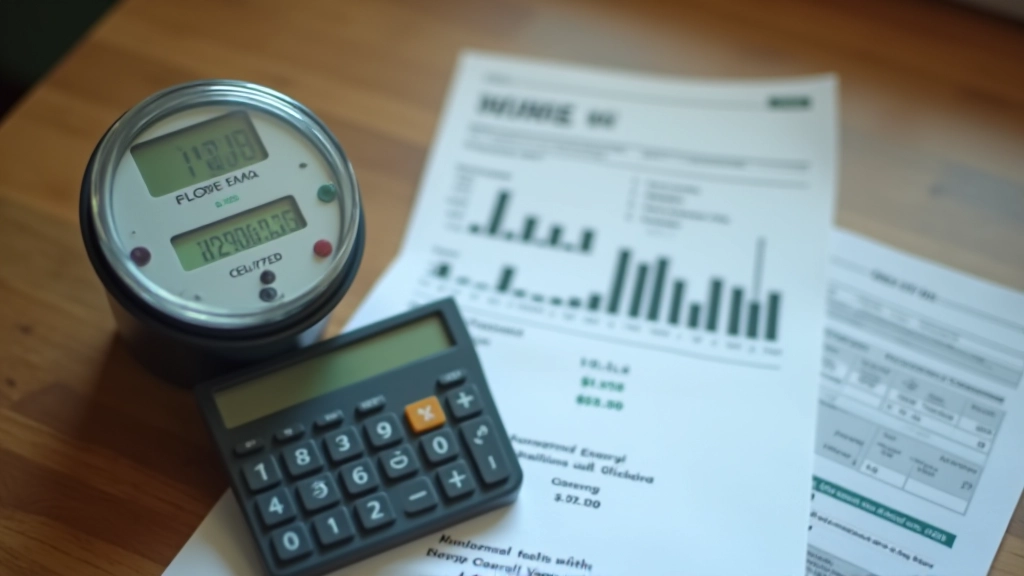
Energy subsidies aren’t just numbers on a spreadsheet. They’re decisions that affect everything from household budgets to national debt levels. Malaysia’s government has historically kept electricity and fuel prices artificially low through direct subsidies — a policy that sounds helpful until you see the budget impact.
The government allocates roughly RM40-50 billion annually on energy subsidies. That’s money that can’t go toward education, healthcare, or infrastructure. It’s a trade-off that’s become increasingly difficult to sustain as energy demand rises and global oil prices fluctuate.

How Subsidies Work in Practice
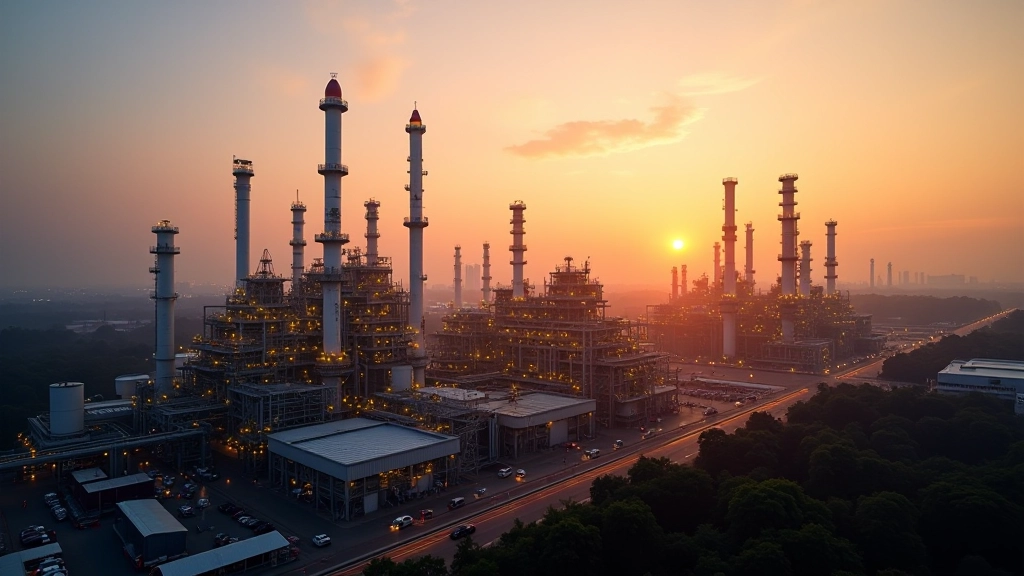
The mechanism is straightforward but has enormous implications. When global crude oil costs RM150 per barrel, but the government keeps domestic fuel prices at RM2.50 per liter, the difference comes from the national budget. That’s a direct transfer from taxpayers to fuel users.
“Energy subsidies are essentially borrowing from the future to pay for today’s consumption. The longer we delay reform, the larger the eventual adjustment required.”
— Economic Policy Institute Analysis, 2026
Electricity subsidies work similarly. Tenaga Nasional Berhad (TNB) receives government support to maintain residential rates below cost. Commercial and industrial customers cross-subsidize residential users, creating market distortions.
The problem multiplies over time. As population grows and economic activity expands, energy demand increases roughly 3-4% annually. Without corresponding subsidy increases, either consumers face price adjustments or the fiscal gap widens further. Neither option is politically simple.
The Fiscal Sustainability Question
Here’s where it gets serious. Malaysia’s fiscal deficit has consistently hovered around 3-5% of GDP. Energy subsidies represent roughly 2-3% of total government spending. That’s not trivial when you’re already running a deficit.
Economists point out that subsidies create several compounding problems. First, they encourage consumption inefficiency. When fuel costs artificially little, people use more of it. Second, they drain resources from productive investments like renewable energy infrastructure or grid modernization. Third, they attract fiscal pressure during oil price downturns — when revenues drop, subsidies become harder to maintain.
- Creates moral hazard — inefficient energy consumption patterns
- Diverts funds from education and healthcare investments
- Reduces competitiveness for energy-intensive industries
- Complicates transition to renewable energy
- Increases government debt servicing costs

Reform Proposals and Implementation Challenges
Policymakers recognize the need for change. Several reform proposals have gained traction, though implementation remains contentious. The debate centers on speed, magnitude, and protection for vulnerable groups.
Gradual Price Adjustment
Incrementally increase energy prices by 5-10% annually until reaching cost-recovery levels. This spreads adjustment costs over time, allowing households and businesses to adapt. Timeline: 5-7 years to full implementation.
Targeted Support Programs
Replace universal subsidies with means-tested assistance for low-income households. Direct cash transfers or vouchers reduce fiscal cost while protecting vulnerable populations. Requires robust income verification systems.
Renewable Energy Investment
Redirect subsidy savings into solar and wind infrastructure. Lower long-term energy costs while addressing climate commitments. Petronas and renewable developers both play critical roles in this transition.
Industrial Efficiency Standards
Implement stricter building codes, appliance standards, and industrial efficiency requirements. Reduces overall energy demand, making subsidies less necessary. Works alongside price adjustments.
The real challenge? Politics. Fuel price increases trigger public backlash and opposition. In 2022, partial subsidy reductions led to protests and political pressure to reverse course. Decision-makers face intense pressure from consumers concerned about cost-of-living increases, especially in transport and household utilities.
Key Reality: Without subsidy reform, Malaysia’s fiscal space continues narrowing. This limits capacity for infrastructure development, healthcare improvements, and education spending. The cost of inaction compounds annually.
Looking Forward: Petronas, Renewables, and Energy Policy
Petronas remains central to Malaysia’s energy strategy. Oil and gas revenues fund government operations and, historically, masked subsidy costs. However, production decline and energy transition complicate this model. The national oil company now invests heavily in renewables — a strategic pivot that signals acceptance of structural energy change.
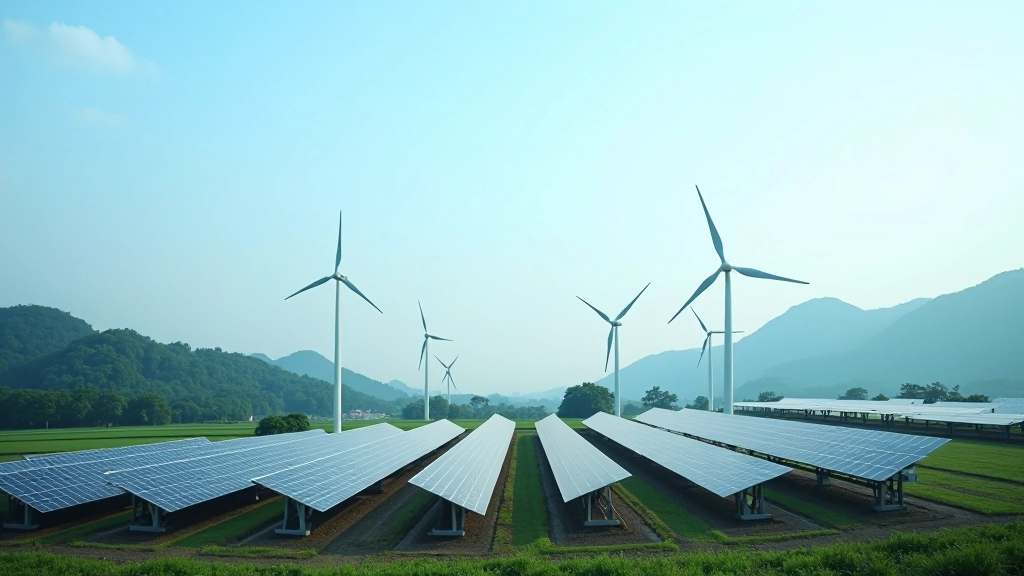
Malaysia’s renewable energy targets — 31% by 2025, 40% by 2035 — require sustained investment. These projects won’t happen without fiscal space. Subsidy reform creates that space. It’s not punitive; it’s pragmatic.
The path forward likely involves all reform approaches simultaneously: gradual price adjustments, targeted assistance for vulnerable households, renewable infrastructure investment, and efficiency improvements. No single solution addresses the complexity.
The Bottom Line
Energy subsidies reflect good intentions — keep energy affordable for all citizens. But they’ve created fiscal pressures that threaten long-term stability. Malaysia’s government, businesses, and households face difficult choices about how to balance affordability, sustainability, and fiscal responsibility.
The conversation isn’t about whether subsidies should exist, but how to structure energy policy for 2030 and beyond. That means engaging with uncomfortable truths about costs, making transparent choices about who benefits and who pays, and investing in the renewable energy infrastructure that’ll power Malaysia’s future.
Understanding these dynamics matters whether you’re a household budgeting for higher utility bills, a business calculating operational costs, or a citizen interested in fiscal policy. Energy subsidies affect all of us — directly and indirectly.
Disclaimer
This article provides educational information about energy subsidies and fiscal policy in Malaysia. It’s based on publicly available data and policy analyses current as of March 2026. The content is informational only — not financial advice, investment guidance, or policy recommendations. Energy policy, subsidy levels, and government budgets change frequently. For current figures and official policy information, consult government ministries (Ministry of Finance, Energy Commission) and Petronas publications. Individual circumstances vary significantly, and personal financial decisions should account for your specific situation.