
Petronas Revenue Streams and National Economy Contribution
How Malaysia’s national oil company generates billions across upstream, downstream, and petrochemical operations—and why it matters to your economy

Understanding Petronas’s Role
Petronas isn’t just an oil and gas company—it’s Malaysia’s financial backbone. Every year, the national petroleum corporation funnels billions into government coffers, funding everything from healthcare infrastructure to education programs. But how exactly does it work?
The company operates across three major segments. Upstream operations focus on exploration and crude oil extraction from offshore fields. Downstream handles refining and distribution of petroleum products. And petrochemicals transform raw materials into specialized products for industrial use. It’s a vertically integrated machine that’s been running for decades.
Understanding these revenue streams isn’t just economic trivia—it’s essential context for anyone following Malaysian economic policy, energy transitions, or investment decisions.
Upstream Operations: The Core Engine
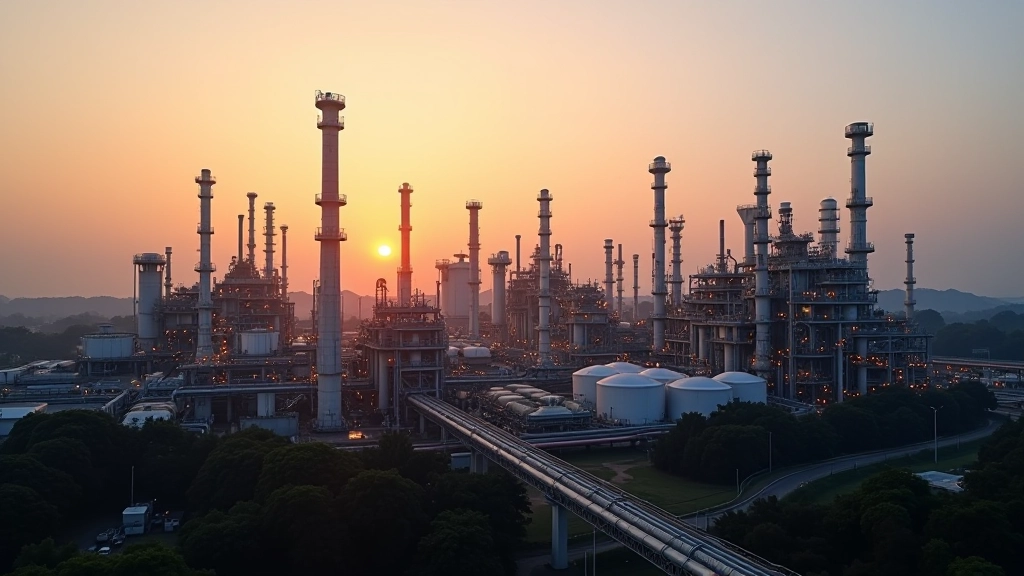
Upstream is where it all begins. Petronas operates 94 oil and gas fields—most of them offshore in the South China Sea. They’re extracting about 700,000 barrels per day, making Malaysia one of the region’s significant oil producers. But it’s not just about volume.
When crude prices rise, government revenue jumps dramatically. A $10 increase per barrel can mean hundreds of millions in additional annual revenue. That’s why you’ll often hear economists discussing global oil markets when analyzing Malaysian budget forecasts. The company invests heavily in exploration too—new field discoveries secure future revenue streams for decades.
Royalties from production go directly to the government. That’s the most straightforward revenue path. But there’s also corporate income tax on profits, which fluctuates based on operational efficiency and commodity prices. Some years deliver windfall profits; others require tighter budget management.
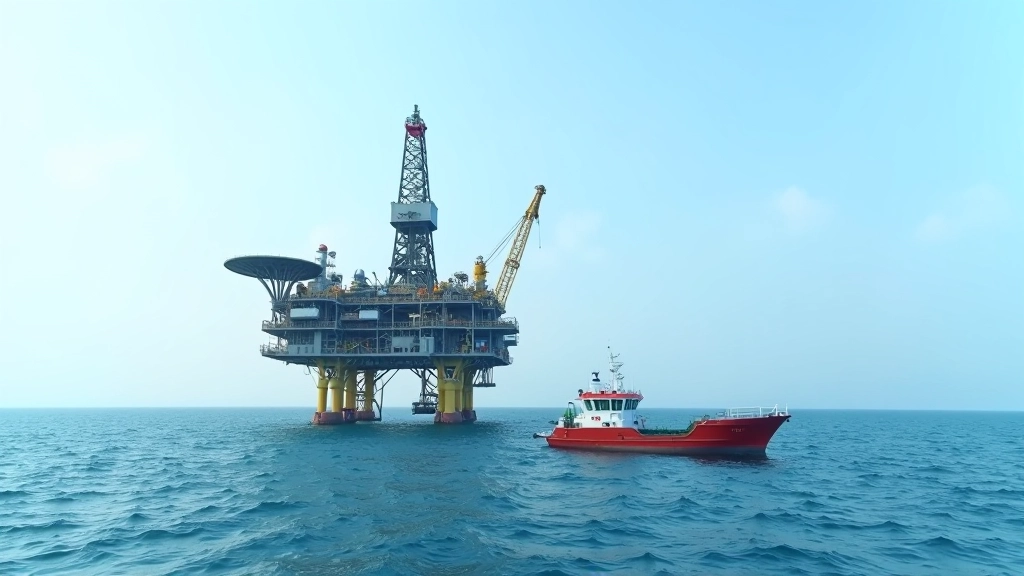
“The upstream sector remains Petronas’s largest profit generator. When international crude prices stabilize above $60 per barrel, government revenue becomes predictable and substantial.”
— Energy Economics Analysis

Downstream: Refining and Retail
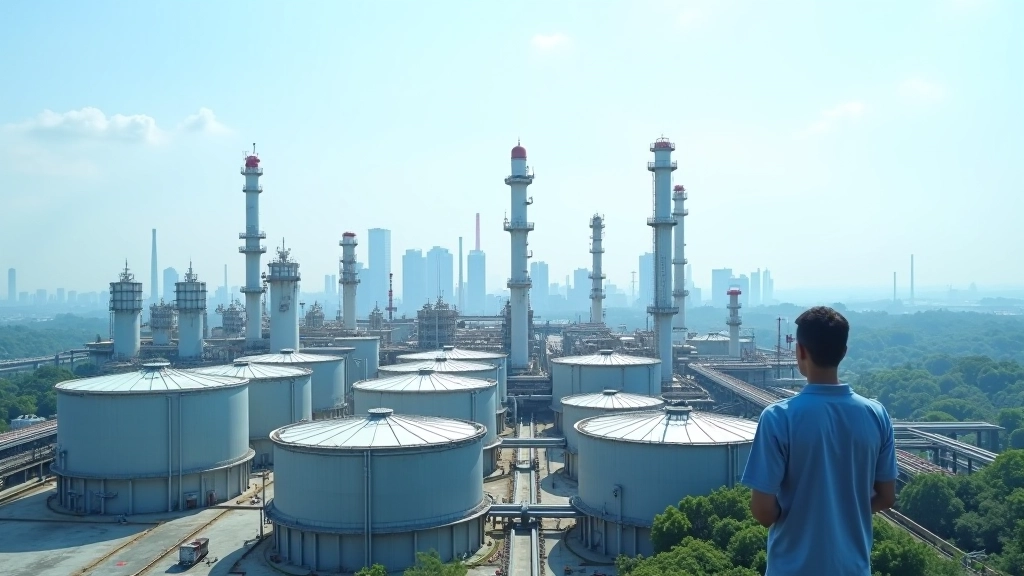
If upstream is the well, downstream is the tap. Petronas operates six major refineries across Malaysia with combined capacity of 1.4 million barrels daily. These facilities convert crude oil into petrol, diesel, jet fuel, and heating oils. They’re also critical to Malaysia’s energy security—without them, the country would be entirely dependent on imported refined products.
Revenue here comes from refining margins—the difference between crude oil input costs and refined product selling prices. When crude rises faster than refined products can, margins compress. When markets stabilize, margins improve. It’s a tighter profit model than upstream, but it’s steady and essential.
Petronas also operates Petronas stations throughout the country—you’ve probably seen the brand at fuel pumps. Retail operations generate consistent revenue from fuel sales and convenience services. More importantly, they control distribution and pricing, which gives the government influence over domestic fuel prices—critical for managing inflation.
Petrochemicals: Higher Margins
Petrochemicals are where Petronas really adds value. Instead of selling crude or fuel, the company transforms petroleum into specialty chemicals—polymers, aromatics, fertilizers. These products command premium prices in global markets. A single petrochemical facility might generate more profit than entire refineries, even with lower volume.
Malaysia’s petrochemical exports reach over 60 countries. Petronas operates multiple petrochemical plants at Gebeng in Pahang and other locations. These aren’t just local operations—they’re internationally competitive manufacturing hubs that drive technology innovation and attract foreign investment.
The beauty of this segment? Lower vulnerability to commodity price swings. While crude oil prices can be volatile, specialized chemical products maintain more stable pricing because they’re less fungible—you can’t just substitute them easily. This means more predictable government revenue, year to year.
How Government Revenue Works
The money flows through multiple channels into public coffers
Petroleum Royalties
Direct payments from production volumes. The company pays the government a percentage of oil extracted. These payments form the largest single revenue stream.
Corporate Income Tax
Standard corporate tax on net profits. Petronas pays Malaysian income tax like any other company. Profit levels depend on operational efficiency and global market conditions.
Dividend Payments
As a state-owned enterprise, Petronas returns profits to shareholders—primarily the government. These dividends represent additional cash transfers beyond tax obligations.
Development Levies
Additional fees tied to resource extraction. Malaysia imposes development levies on petroleum operations. These funds specifically support energy sector development and infrastructure.
The Economy Impact You Should Know
Petronas revenue doesn’t just sit in government accounts. It’s deployed across the economy. Healthcare systems, universities, infrastructure projects, social programs—they’re all partially funded by oil and gas revenues. When prices are strong, government spending increases. When they weaken, budgets tighten.
This creates economic vulnerability. Malaysia’s economy is less diversified than many developed nations, meaning petroleum revenues represent a significant budget share. An unexpected price collapse forces either spending cuts or increased borrowing. That’s why energy policy matters beyond just environmental concerns—it’s fundamentally about fiscal stability.
The company also employs thousands directly and supports thousands more through contractors and suppliers. The energy sector represents about 2% of Malaysia’s workforce but contributes disproportionately to GDP. Technical skills developed in the sector often transfer to other industries, creating broader economic benefits.

Challenges Ahead
The energy transition is reshaping Malaysia’s economic model
Here’s where things get complicated. Global demand for oil and gas will eventually decline as renewable energy expands. Peak oil demand—the point where global consumption plateaus before falling—is approaching. Some analysts suggest we’re already there; others think we’ve got 15-20 years. Either way, it’s coming.
For Malaysia, that means planning for a revenue future that doesn’t rely on petroleum. The government is investing in renewable energy, but scaling solar and wind won’t generate the same revenue levels as oil extraction. That’s the real transition challenge—not just switching energy sources, but rebuilding the fiscal model that’s supported development for 40 years.
Petronas itself is adapting. The company’s investing in natural gas projects, carbon capture technology, and renewable energy ventures. But honestly? You can’t replace petroleum revenue overnight. The transition will be gradual, requiring diversification of Malaysia’s entire economic base—manufacturing, services, technology sectors all need growth to fill the gap.
Key Takeaways
Petronas operates across three segments
Upstream extraction, downstream refining and retail, and petrochemicals production. Each contributes differently to government revenue.
Revenue comes from multiple channels
Royalties, corporate taxes, dividends, and development levies all flow into government budgets. Oil price volatility directly impacts fiscal planning.
The energy transition is reshaping strategy
Malaysia’s economy will need to diversify beyond petroleum. Renewable energy investment and economic restructuring are becoming critical priorities.


Important Information
This article provides educational information about Petronas’s revenue streams and their economic role. It’s intended to help readers understand how national oil companies contribute to government finances and the broader economy. Information presented reflects publicly available data and economic analysis as of March 2026.
Energy markets are complex, and revenue figures fluctuate based on global commodity prices, operational performance, and policy changes. This content isn’t financial advice and shouldn’t be used for investment decisions. For current financial data, consult official Petronas reports and government economic publications. Energy policy discussions are ongoing, and strategies evolve as circumstances change.