
Navigating Malaysia’s Energy Transformation
Energy Nexus Malaysia Sdn Bhd delivers strategic insight into the nation’s energy sector, from Petronas’ macroeconomic contributions to the renewable energy transition shaping our future.
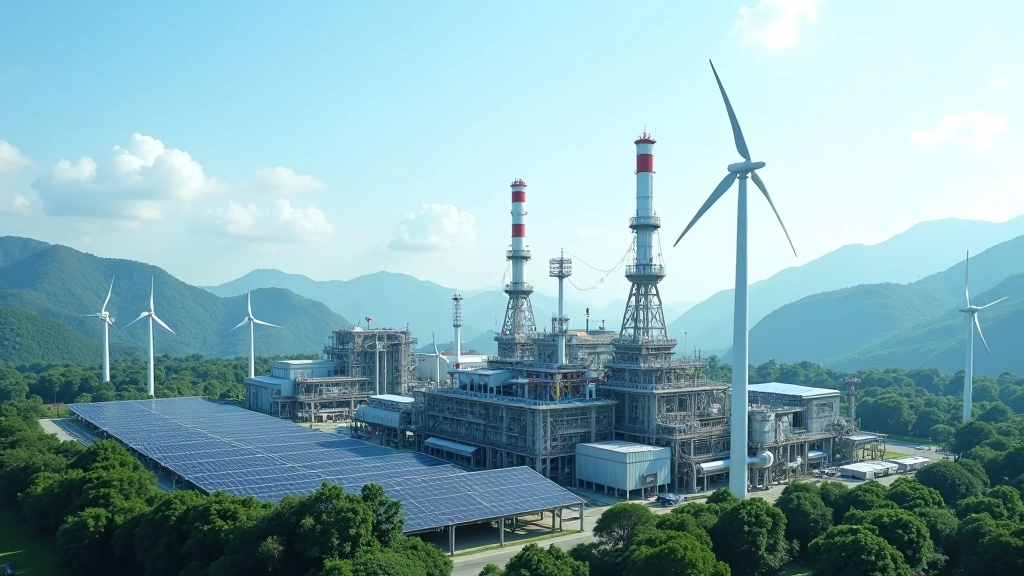
Understanding Malaysia’s Energy Dynamics
We’re positioned at the intersection of energy policy, economics, and transition strategy
Malaysia’s energy sector isn’t static. It’s evolving rapidly as the nation balances proven oil and gas production with renewable energy ambitions. Petronas remains a cornerstone of economic growth, contributing substantially to government revenues and employment across the supply chain.
But the landscape is shifting. Energy pricing dynamics reflect global markets, geopolitical factors, and domestic policy decisions. Subsidies strain fiscal resources while the transition to renewables creates new opportunities and challenges. We analyze these intersections — the hard numbers and the softer strategic implications.
Energy Nexus Malaysia Sdn Bhd helps stakeholders understand where we’ve been and where we’re heading. We don’t just report data. We contextualize it within Malaysia’s unique economic and political framework.

What We Analyze & Advise
Petronas Revenue Impact
We track how oil and gas production, pricing volatility, and market conditions affect Malaysia’s primary revenue source. Understanding Petronas’ contribution helps us forecast fiscal health and investment capacity.
Pricing & Market Forces
Oil and gas prices don’t move in isolation. We examine global supply chains, OPEC dynamics, refining capacity, and downstream consumer impacts. These aren’t just numbers — they shape household budgets and industrial competitiveness.
Renewable Energy Transition
Solar, wind, and hydroelectric capacity targets require capital, infrastructure, and policy alignment. We assess progress against 2025 and 2030 renewable energy targets, identifying bottlenecks and opportunities.
Subsidy Fiscal Burden
Energy subsidies protect consumers but drain budgets. We model subsidy costs, compare international approaches, and evaluate reform pathways. It’s about balancing equity with fiscal sustainability.
How We Deliver Intelligence
Rigorous analysis combined with practical insight
Deep Sector Analysis
We’ve built extensive databases of production figures, pricing trends, policy documents, and subsidy allocations. Our team combines econometric modeling with qualitative policy research. You’re not getting generic reports — you’re getting Malaysia-specific intelligence backed by years of ground-level experience.
Scenario Planning
What happens to Petronas revenues if oil drops to $60? How do subsidy reforms ripple through the economy? We build multiple scenarios — base case, optimistic, stressed — so you’re prepared for different futures rather than surprised by them.
Strategic Recommendations
Analysis alone isn’t enough. We translate findings into actionable recommendations. Whether you’re a policymaker, investor, or corporate planner, we help you understand implications and identify strategic moves aligned with energy sector realities.
Ongoing Intelligence
The energy sector moves fast. We provide quarterly updates, monitor policy announcements, track production changes, and flag emerging risks. You’ll stay informed without drowning in information overload.
“Understanding Malaysia’s energy sector requires connecting the dots between geology, economics, and policy. Energy Nexus Malaysia Sdn Bhd doesn’t just show you the data — they explain what it means for your business and the nation’s future.”
— Client, Financial Services Sector
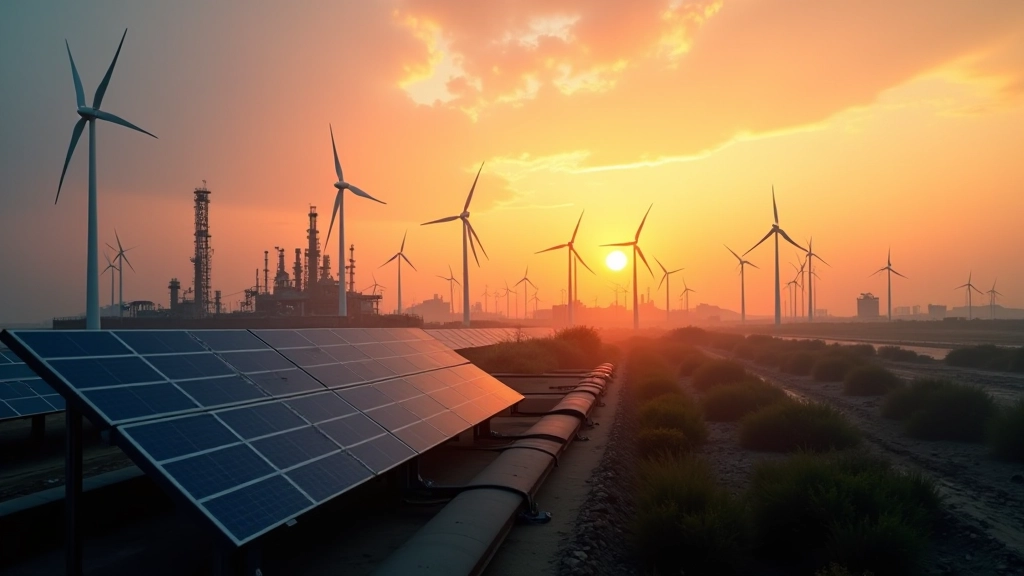
Energy Sector Transformation in Three Horizons
Important Information
The information and analysis provided by Energy Nexus Malaysia Sdn Bhd are intended for educational and informational purposes. Energy sector dynamics are complex and influenced by numerous variables including global market conditions, geopolitical factors, regulatory changes, and economic cycles. While we strive to provide accurate, well-researched content, the energy sector’s volatility means outcomes cannot be guaranteed or predicted with certainty. Individual circumstances, investment decisions, and policy implications may differ significantly based on specific contexts. We encourage stakeholders to conduct their own due diligence, consult with qualified specialists, and consider multiple perspectives when making decisions based on sector analysis. Past trends and historical data don’t guarantee future performance or policy directions.